After-Hours Plumbing Emergencies: What Homeowners Need

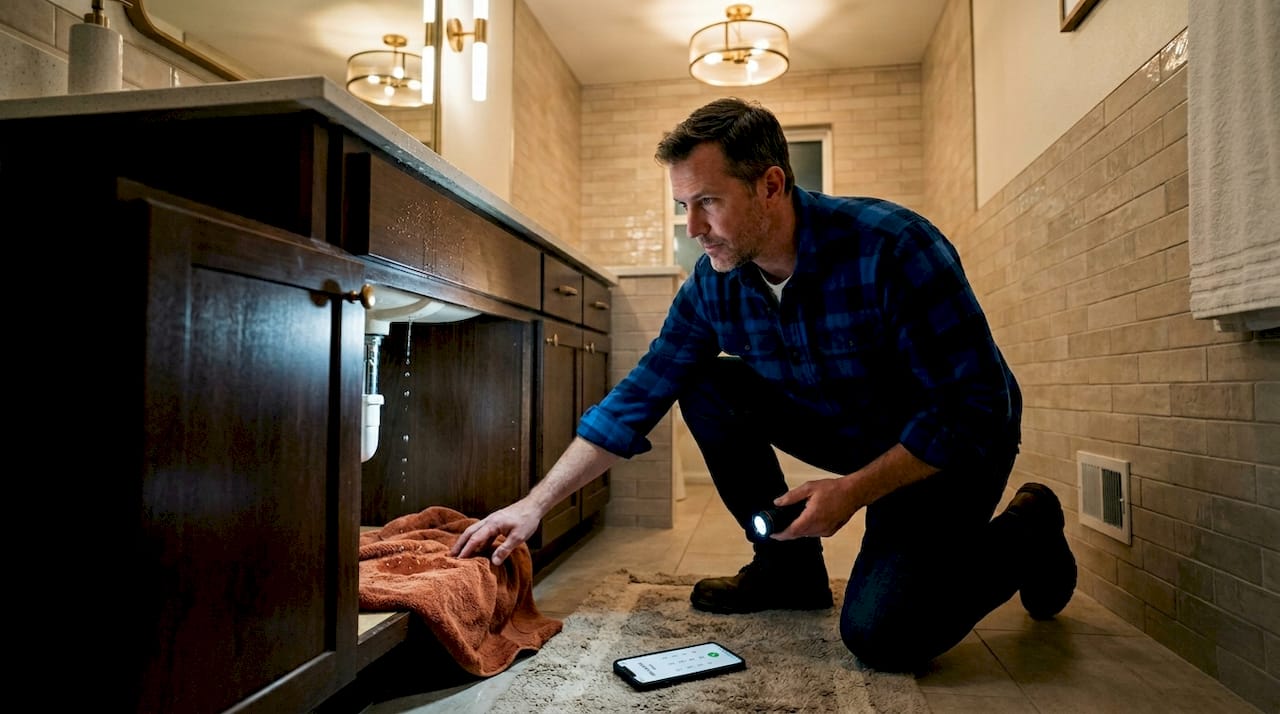
Homeowner checks sink during plumbing emergency at night

Not every drip in the night is a crisis, but some plumbing problems absolutely cannot wait until morning. The difference between acting fast and waiting a few hours can mean thousands of dollars in water damage, structural repairs, and mold remediation. If you’ve ever stood in a flooded bathroom at 2 a.m. wondering whether to call a plumber or just go back to bed, this guide is for you. We’ll walk you through exactly which situations demand immediate action, what to do before help arrives, and how to find a trustworthy after-hours plumber without getting overcharged.

Table of Contents

Key Takeaways

Point Details
Know real emergencies Not all plumbing problems require an immediate late-night call—know which ones do.
Act fast to minimize damage Turn off your water and start mitigation steps immediately in a true emergency.
Understand after-hours costs Expect higher rates after hours or on holidays—always confirm all charges upfront.
Choose the right plumber Always pick licensed, insured, local emergency plumbers for safety and reliability.
Document everything for insurance Photograph damage, keep receipts, and follow up promptly with your insurer.

What qualifies as a plumbing emergency after-hours?

Now that you understand not all plumbing issues are created equal, let’s clarify exactly which situations demand immediate after-hours action.

The single biggest mistake homeowners make is treating every plumbing problem with the same level of urgency. Some issues are genuinely dangerous and destructive. Others are annoying but perfectly safe to address during regular business hours. Knowing the difference protects both your home and your wallet.

True plumbing emergencies that require an immediate call include:

  • Burst pipes (water spraying or gushing uncontrollably)
  • Major leaks you cannot stop or contain
  • Sewage backups into sinks, tubs, or floors
  • Overflowing toilets that won’t stop
  • Sump pump failure during heavy rain
  • No hot water in a multi-family building
  • Any smell of gas near plumbing fixtures

Non-emergencies that can safely wait until morning include:

  • Slow-draining sinks or showers
  • A dripping faucet
  • A running toilet (unless it’s overflowing)
  • Low water pressure in one fixture

Common emergency repairs share one critical trait: they cause active, ongoing damage that gets worse with every passing minute. A dripping faucet, on the other hand, wastes over 3,000 gallons per year and costs you money over time, but it’s not going to flood your kitchen by sunrise.

Here’s a quick comparison to make the decision easier:

Situation Emergency? Why
Burst pipe Yes Active flooding, structural damage
Sewage backup Yes Health hazard, rapid spread
Overflowing toilet Yes Contamination, water damage
Gas smell near pipes Yes Safety risk, call gas company first
Dripping faucet No Wasteful but not destructive overnight
Slow drain No Inconvenient, not dangerous
Running toilet Usually no Monitor; call if it worsens
Low pressure (one fixture) No Likely a valve or aerator issue

According to Roto-Rooter’s emergency guidelines, true plumbing emergencies include burst pipes, major leaks, sewage backups, overflowing toilets, sump pump failure, no hot water in multi-family buildings, and gas smells. Non-emergencies like slow drains, dripping faucets, and low pressure in a single fixture can wait for regular business hours.

“The longer a true plumbing emergency goes unaddressed, the more damage it causes. What starts as a burst pipe can quickly become a flooded basement, damaged flooring, and a mold problem within 24 to 48 hours.”

If you’re unsure, always err on the side of caution and reach out to 24/7 plumber assistance to describe what you’re seeing. A quick phone call can help you decide whether to act now or wait.

First steps to take in an after-hours plumbing crisis

Once you determine you’re facing a true emergency, quick action can make all the difference.

The five to ten minutes right after you spot a serious plumbing problem are the most important. What you do in that window directly affects how much damage your home sustains and how much your repair bill ends up being. Here’s what to do, in order:

  1. Shut off the main water supply immediately. Your main shutoff valve is typically located near the water meter, in the basement, in the garage, or along an exterior wall. Turn it clockwise for a gate valve (round handle) or rotate it 90 degrees perpendicular to the pipe for a ball valve (lever handle). This single step stops the flow of water and prevents further flooding.

  2. Turn off the water heater. If you’ve shut off the main supply, you should also switch off the water heater to prevent it from overheating or running dry.

  3. Cut power to affected areas if there’s standing water. Water and electricity are a deadly combination. If water is near outlets, appliances, or your electrical panel, shut off the circuit breaker for that area before entering the space.

  4. Remove standing water as quickly as possible. Use towels, mops, or a wet/dry vacuum to pull water off the floor. The faster you remove it, the less chance it has to seep into subfloors, walls, and insulation.

  5. Move valuables and furniture out of the affected area. Electronics, rugs, important documents, and furniture can all be damaged quickly. Getting them out of the water’s path takes only a few minutes and can save you significant money.

  6. Document everything before cleanup. Take photos and video of the damage before you move anything or start cleaning up. This documentation is critical for your homeowner’s insurance claim.

  7. Call a local emergency plumber. Once you’ve done what you can to minimize damage, find a local emergency plumber and make the call. Have your address ready and be prepared to describe what you’re seeing in detail.

Pro Tip: Write the location of your main water shutoff valve on a sticky note and put it inside a kitchen cabinet right now, before any emergency happens. In a panic, most people can’t remember where it is, and every second counts.

“Mitigating damage quickly means removing standing water with towels or a vacuum, moving valuables out of harm’s way, thoroughly documenting the scene for your insurance claim, and staying well away from any electrical hazards near the affected area.” — Stewart Plumbing

One detail many homeowners overlook: don’t use any drains in the house if you suspect a sewage backup. Running water from any fixture can push contaminated water further into your home. Keep everyone away from the affected area until the plumber assesses the situation.

How after-hours emergency plumbing services work

Person surrounds toilet with towels in sewage backup

If you act fast and smart, you’re set up to get help. Here’s what to expect when you reach out for a pro.

Many homeowners have never called an emergency plumber before and don’t know what the process looks like. Understanding the sequence helps you communicate clearly, avoid surprises, and get your home back to normal faster.

Here’s what typically happens after you call:

  1. You reach a dispatcher, not a voicemail. Legitimate 24/7 plumbing services have live dispatchers available around the clock. They’ll ask for your address, a description of the problem, and whether you’ve shut off the water.

  2. The dispatcher assesses urgency. Based on what you describe, they’ll determine how quickly a technician needs to respond. Burst pipes and sewage backups get top priority.

  3. A technician is dispatched to your location. After your initial steps, the plumber arrives, performs a diagnosis, and provides a written estimate before starting any work. Never allow work to begin without a written estimate in hand.

  4. Repairs are completed and the area is assessed. A good emergency plumber won’t just fix the immediate problem. They’ll check for secondary damage and let you know if follow-up work is needed.

Now let’s talk about cost, because after-hours plumbing is more expensive than daytime service, and knowing what to expect prevents sticker shock.

Time of Service Typical Cost Multiplier
Regular business hours 1x (baseline)
Weeknight after-hours 1.5x baseline
Weekend service 1.5x to 2x baseline
Holiday service 2x to 3x baseline

Infographic showing emergency plumbing response steps

Emergency rates run approximately 1.5 times the standard rate on weeknights and can reach 2 to 3 times on holidays. That said, pricing varies widely. Some plumbers charge a flat rate regardless of the hour. Others apply a separate after-hours dispatch fee on top of the labor rate. Always ask for a full breakdown before agreeing to anything.

It’s worth noting that some plumbing companies advertise no extra charge for after-hours calls, while others apply standard premiums. There’s no universal rule, which is exactly why confirming pricing upfront is non-negotiable.

Pro Tip: Ask the dispatcher two specific questions before they send anyone out: “What is your after-hours service fee?” and “Will I receive a written estimate before work begins?” If they can’t answer both questions clearly, call someone else.

Connecting with trusted local plumbers who are transparent about their pricing from the first call saves you from unpleasant surprises on the final invoice.

How to choose the right after-hours plumber

Not all emergency plumbing services are created equal. Here’s how to make a smart, safe choice.

When you’re stressed and your basement is filling with water, it’s tempting to call the first number you find. But taking 60 seconds to ask the right questions can protect you from unlicensed contractors, inflated bills, and shoddy repairs that fail again within weeks.

Before you commit, confirm these things:

  • Valid license and insurance. Ask for the plumber’s license number and verify it with your state’s licensing board if you have time. Insurance protects you if something goes wrong during the repair.
  • Written estimate before work starts. This is your legal protection. A verbal quote means nothing if the bill comes back higher.
  • Clear after-hours pricing policy. Ask specifically whether there’s a night, weekend, or holiday surcharge, and whether it’s a flat fee or a percentage markup.
  • Recent reviews from real customers. Check Google or Yelp quickly. Look for patterns: do reviewers mention fair pricing, punctuality, and clean work? Or do you see complaints about hidden fees?
  • Response time estimate. A reputable service will give you a realistic arrival window. Be wary of anyone who can’t give you a time frame at all.

Licensed 24/7 plumbers who operate locally are almost always a better choice than large national call centers that subcontract work to whoever is available. Local plumbers know the area, can reach you faster, and have a reputation to protect in your community.

Why does local matter so much in an emergency? Response time is everything. A plumber 45 minutes away versus one 10 minutes away can mean the difference between a manageable repair and a destroyed subfloor. Fast response in emergencies is one of the most underrated factors homeowners forget to ask about when they’re panicking.

According to Roto-Rooter CA’s emergency process guidelines, a professional emergency plumber should always provide a written estimate before beginning any work. If a contractor refuses or pressures you to skip this step, treat it as a red flag and find someone else.

Pro Tip: Save the contact information for at least two local emergency plumbers in your phone right now, before you ever need them. Searching for help during an active emergency is stressful and leads to poor decisions.

What most homeowners miss during a late-night plumbing emergency

Even after reading guides like this one, many homeowners still make costly mistakes when an actual emergency unfolds at midnight. The gap between knowing what to do and actually doing it under pressure is real, and it’s worth addressing directly.

The most common mistake we see is the “wait until morning” decision. It feels logical: calling an after-hours plumber costs more, you’re tired, and the leak seems manageable. But water moves fast. It travels through walls, soaks into insulation, and reaches subfloors within hours. What costs $400 to fix at 2 a.m. can easily become a $4,000 restoration job by 9 a.m. if the water has been spreading all night.

The opposite mistake is equally costly: calling an emergency plumber for something that genuinely isn’t urgent. A slow drain or a dripping faucet does not need a middle-of-the-night service call. Recognizing the difference saves you the after-hours premium and keeps emergency lines open for real crises.

The three most avoidable mistakes we consistently see come down to preparation failures. First, not knowing where the main water shutoff valve is located. Second, skipping the written estimate because you’re flustered and just want the problem fixed. Third, failing to document the damage before cleanup begins, which can seriously weaken your insurance claim.

Here’s the uncomfortable truth: most of the damage that happens during a plumbing emergency is preventable. It happens not because the problem was unavoidable, but because homeowners didn’t know their shutoff valve location, didn’t act fast enough, or didn’t ask the right questions when calling for help. Preparation is the real emergency plan.

Get immediate help for your plumbing emergency

Armed with this guide and newfound clarity, it’s time to act decisively if a plumbing emergency strikes after-hours.

When water is where it shouldn’t be, every minute matters. You now know which problems demand immediate action, what to do before the plumber arrives, and how to choose a trustworthy pro without getting burned on pricing.

https://nearmeplumbingpros.com

Our network connects you directly with licensed, insured local plumbers who are available 24 hours a day, 7 days a week, including holidays. Whether you need emergency repairs now or want to connect with an emergency plumber before a crisis hits, we make it simple to find help fast. Explore our full directory of trusted local plumbing services and save a contact tonight, so you’re never scrambling when it counts most.

Frequently asked questions

How do I know when to call an emergency plumber after-hours?

Call immediately for burst pipes, sewage backups, overflowing toilets, or any leak you cannot control, as these situations cause major damage fast. According to Roto-Rooter’s emergency criteria, gas smells and sump pump failures during heavy rain also qualify as true emergencies.

Will I pay extra for emergency plumbing services at night or on weekends?

Emergency rates are typically 1.5 times the standard rate on weeknights and can reach 2 to 3 times on holidays, though some companies advertise flat rates regardless of hour. Always confirm the full cost breakdown before authorizing any work.

What should I do before the plumber arrives?

Shut off the main water supply, remove standing water, move valuables away from the affected area, and avoid using electricity near any leaks. Stewart Plumbing also recommends documenting all damage with photos and video before you begin any cleanup.

Is a dripping faucet an after-hours emergency?

A dripping faucet wastes over 3,000 gallons per year and costs money over time, but it’s not an urgent overnight situation. Schedule a repair during regular business hours unless the drip worsens rapidly into a full leak you can’t control.

Article generated by BabyLoveGrowth

Call Now