How to hire an emergency plumber fast for safe repairs

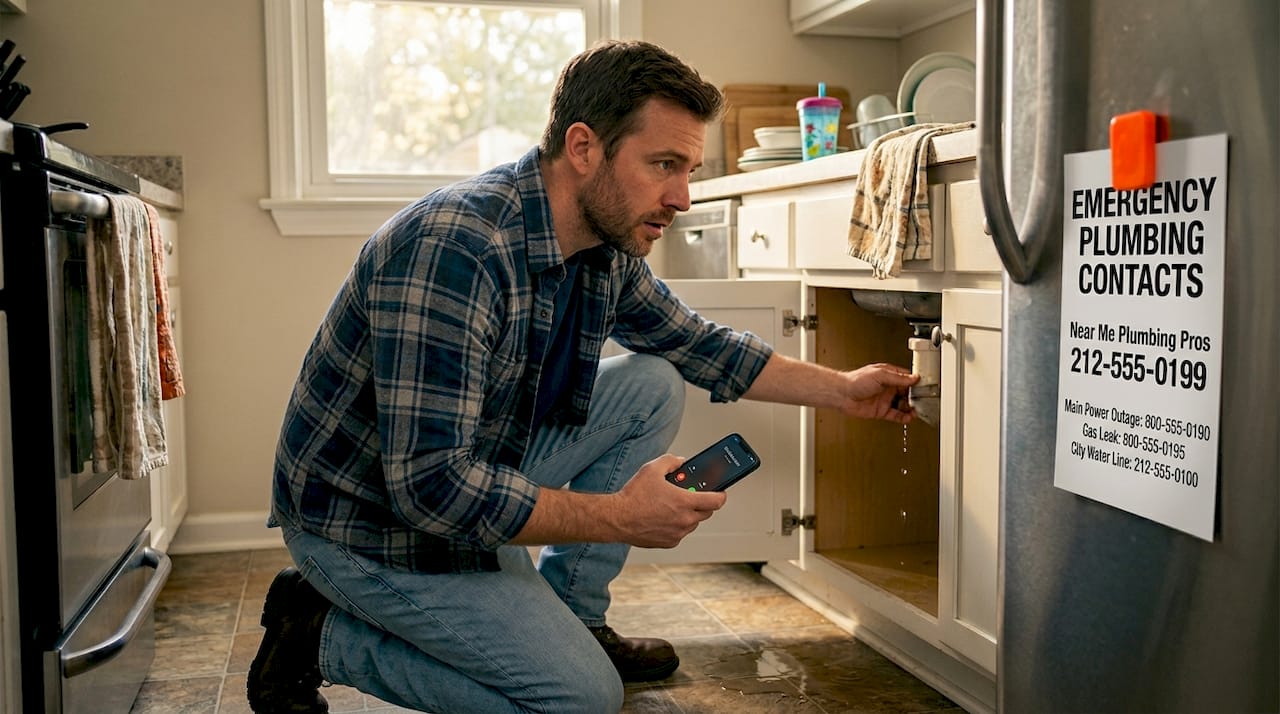
Homeowner contacting plumber near leaking kitchen sink

Water is pouring through your ceiling, or a pipe just burst under your kitchen sink, and every second you hesitate means more damage, more cost, and more stress. A plumbing emergency can turn from a minor inconvenience into thousands of dollars in structural damage within minutes. The good news is that hiring a reliable emergency plumber quickly is a skill you can learn, and this guide walks you through every step, from shutting off the water to getting a licensed pro through your door as fast as possible. We also cover what you can do right now, before any crisis hits, to make the whole process dramatically smoother.

Table of Contents

Key Takeaways

Point Details
Act fast, stop damage Find and close the water shutoff immediately to minimize harm while professional help is on the way.
Prepare details pre-call Gather all incident and home information before calling to ensure rapid plumber dispatch and accurate service.
Choose wisely, ask questions Select only licensed, insured, 24/7 plumbers and clarify all fees upfront to avoid unpleasant surprises.
Preparation saves time Knowing your shut-off locations and having trusted contacts ready can cut hours off your emergency response.

What to do immediately when a plumbing emergency strikes

Now that you know there’s a problem, take these steps before even picking up the phone.

The very first thing you need to do is stop the water. Every second that water flows freely is another second of damage to your floors, walls, and belongings. Stop the water flow using the appropriate shut-off valve, the fixture-level valve if possible, or the main shutoff if the problem is widespread, to reduce damage while you arrange help. Fixture-level valves are usually located directly under sinks, behind toilets, or behind washing machines. The main shutoff is typically near your water meter, in the basement, or on an exterior wall.

After stopping the water, check for safety hazards before doing anything else. Water near electrical outlets, panels, or appliances creates a serious electrocution risk. If water is pooling near your electrical panel or any outlets, do not walk through it. Shut off power at the breaker first. Similarly, if you smell gas, leave the house immediately and call your gas company from outside.

Here is a quick checklist of immediate actions to take:

  • Turn off the appropriate shut-off valve (fixture or main)
  • Check for electrical hazards near standing water
  • Smell for gas and evacuate if detected
  • Assess whether sewage is involved (back up or overflow)
  • Take photos or a short video of the damage if it is safe to do so
  • Move valuables and electronics out of the affected area

Documenting the damage right away serves two purposes: it helps the plumber understand the problem before arriving, and it protects you when filing a homeowner’s insurance claim later.

Pro Tip: Walk your home right now and locate every shut-off valve, including the main. Label them with a marker or a small sticker. This single action can save you five to ten minutes during a real emergency, and that time directly translates to less water damage.

Following these emergency plumbing tips can prevent a manageable leak from becoming a full-blown disaster before help arrives.

Information you must gather before calling an emergency plumber

Once you’ve stopped the initial damage, you can move quickly to call for help, but being prepared with the right info makes your call much more effective.

Person preparing emergency plumbing information

When you call an emergency plumber, explicitly communicate what you need, whether that is flooding, sewage backup, a gas-related issue, or a water heater failure, and ask for an estimated arrival time. Plumbers who specialize in high-risk emergencies will prioritize calls that involve flooding or sewage because of the health and structural risks involved. If you call without clear details, you risk being placed in a general queue rather than flagged as urgent.

Before you dial, gather the following information:

  • Full address including any apartment or unit number
  • Nature of the problem (burst pipe, sewage backup, no hot water, flooding)
  • Location within the home (kitchen, basement, second-floor bathroom)
  • Access instructions (gate codes, building entry, parking notes)
  • Your phone number in case the call drops
  • Photos or video you can text or email immediately after the call

Here is a quick-reference table to keep near your phone or on your refrigerator:

Information needed Why it matters Example
Full address Accurate dispatch 123 Maple St, Unit 4B
Problem description Determines urgency level Burst pipe in basement
Location in home Faster diagnosis on arrival Under kitchen sink
Access instructions Prevents delays at entry Gate code: 1234
Contact number Callback if needed Cell phone preferred
Photos or video Speeds up assessment Text to plumber directly

Pro Tip: Save a notes file on your phone right now titled “Plumbing Emergency Info” with your address, main shutoff location, and any access codes. When panic sets in, reading from a prepared note is far faster than trying to recall details from memory.

A 24-hour plumber service will ask these exact questions, so having answers ready cuts your call time in half and gets a technician dispatched faster.

Infographic showing fast emergency plumber steps

How to identify and contact the right emergency plumber fast

Now that you’re prepared to call, make sure you use that call to choose the best available help without wasting time.

Not every plumber who answers at 2 a.m. is the right choice. Speed matters, but so does hiring someone who is licensed, insured, and transparent about pricing. Ask for core qualifications and pricing clarity fast, including license and insurance status, 24/7 capability, service call fee, and whether pricing is hourly or flat rate, to avoid delays and unpleasant surprises on your bill.

Here is a numbered call script you can follow to get results fast:

  1. State the emergency clearly: “I have a burst pipe in my basement and water is actively flowing.”
  2. Give your address and access details immediately.
  3. Ask: “Are you available right now for an emergency call?”
  4. Ask: “Are you licensed and insured in this state?”
  5. Ask: “What is your service call fee and how do you charge, hourly or flat rate?”
  6. Ask: “What is your estimated arrival time?”
  7. Confirm the plumber’s name and a callback number.

This script takes under two minutes and gives you everything you need to make a confident decision.

Use this comparison table to evaluate any plumber you reach:

Qualification What it means Why it matters
Licensed Passed state exams and meets code requirements Protects you legally and ensures quality
Insured Carries liability and workers’ comp Covers damage or injury during the job
24/7 availability Responds outside business hours Essential for true emergencies
Transparent service fee Upfront charge just to show up Prevents billing shock
Hourly vs. flat rate How labor is billed Flat rate is often safer for complex jobs

Watch for these red flags during your call:

  • Refuses to confirm license or insurance on the spot
  • Cannot give any estimate of arrival time or cost
  • Pressures you to agree to work before seeing the problem
  • No physical address or local presence when you ask
  • Extremely low quote over the phone without any details

Pricing clarity is not just about money. A plumber who cannot explain their fees in a crisis is often one who adds surprise charges after the job is done. Clarity upfront is a sign of professionalism.

Finding local licensed plumbers with verified credentials is far easier when you use a directory built specifically for emergencies. If you need to find a plumber near you right now, look for services that display license numbers, reviews, and direct contact options in one place.

Speed and prevention: How preparation can save hours during emergencies

After a successful emergency hire, the final step is improving readiness so the next time goes even smoother or is avoided altogether.

Speed comes from preparation. Knowing where your shut-off valves are before you need them means the call to an emergency plumber is focused entirely on repair, not on triage. When you already have the water stopped and the details ready, a plumber can arrive with the right tools and parts instead of spending the first 20 minutes figuring out what they are dealing with.

Here is a list of preparation steps you can complete in under an hour today:

  • Locate every shut-off valve in your home, including under sinks, behind toilets, at appliances, and the main
  • Label each valve with a waterproof marker or colored tape
  • Take photos of each valve location and store them in a phone album
  • Save two or three vetted plumber contacts in your phone under “Emergency Plumber”
  • Write down your home’s water meter location and how to read it
  • Check your homeowner’s insurance policy to understand what plumbing damage is covered
  • Note any access codes or parking instructions for your property

Pro Tip: Create a laminated card titled “Home Emergency Info” and tape it inside a kitchen cabinet. Include your main shutoff location, gas shutoff location, electrical panel location, your address, and two emergency plumber numbers. This card is invaluable when a family member or house sitter needs to act fast without you present.

Each minute water flows unchecked adds real cost. Studies on water damage consistently show that the first 24 to 48 hours are the most critical for preventing mold growth and structural damage. Preparation is not just convenient. It is genuinely protective of your home and your finances. Using licensed plumber access through a trusted directory means you are never starting from scratch when a crisis hits.

The overlooked secret to fast, reliable emergency plumbing hires

Most plumbing guides hand you a checklist for the moment of crisis. That is useful, but it misses the deeper truth that experienced homeowners already know. The fastest emergency hire is built days, not minutes, before the disaster happens.

Think about it this way. When a pipe bursts at midnight, your brain is flooded with stress hormones. Decision-making slows down. You second-guess yourself. You search frantically for a phone number you should already have. Every delay in that state costs you real money and real damage. The homeowners who handle emergencies well are not calmer by nature. They are calmer because they already know exactly what to do.

Most articles focus entirely on what to do during the crisis. Very few talk about the 45 minutes of preparation you can do on a quiet Sunday afternoon that will make the crisis manageable. Knowing your plumbing layout, having a vetted plumber’s number already saved, understanding your insurance coverage, and labeling your shutoffs are not glamorous tasks. But they are the real difference between a $400 repair and a $4,000 restoration project.

There is also a subtler point worth making. When you call a plumber already knowing your shutoff is handled, your address is ready, and your photos are taken, you sound like a prepared homeowner. Plumbers prioritize calls from people who clearly have the situation partially under control, because it signals the job will be straightforward. Chaotic, unclear calls sometimes get pushed back in the queue.

The actionable takeaway is simple. Set aside time this week to walk your home, find every valve, save your contacts, and make that laminated card. It takes less than an hour. And the next time something goes wrong, you will feel the difference immediately. Bookmark resources for fast plumbing solutions so you have a reliable starting point when speed is everything.

Find a reliable emergency plumber near you right now

If you want one fewer thing to worry about, here is a shortcut to finding and contacting a vetted emergency plumber, any time, any day.

When a plumbing crisis hits, the last thing you need is to scroll through dozens of unverified listings hoping someone picks up. Our directory of trusted local plumbers connects you directly to licensed, insured professionals in your area who are ready for emergency calls around the clock.

https://nearmeplumbingpros.com

You can filter by location, read real customer reviews, and call directly from the listing in seconds. No waiting, no guessing, no wasted time on plumbers who are not actually available. Whether you are dealing with a burst pipe, a sewage backup, or a water heater failure, our fast emergency plumbing services directory puts a qualified local professional within reach immediately. Save the site now so you have instant access to 24-hour emergency service the moment you need it.

Frequently asked questions

What information will an emergency plumber need when I call?

You should be ready to describe the problem clearly, provide your full address, share any access instructions, and ask for an estimated arrival time. Communicating urgency upfront, especially for flooding, sewage, or gas issues, helps dispatchers prioritize your call correctly.

How can I make sure the plumber arrives quickly?

Stop the water flow first using the appropriate shut-off valve, then provide clear and complete information when you call. Stopping water flow before calling signals that the situation is under partial control and helps the plumber focus on repair rather than emergency triage on arrival.

Which questions are most important to ask an emergency plumber?

Verify license and insurance status, confirm the emergency service call fee, and ask whether they charge by the hour or a flat rate. Pricing and qualification clarity upfront prevents billing surprises and confirms you are hiring a legitimate professional.

Should I turn off power or gas if I have a major leak?

Yes. If water is near electrical outlets, appliances, or your breaker panel, shut off power at the main breaker immediately. If you smell gas, leave the home and call your gas company from outside before calling a plumber. Stopping water flow and addressing utility hazards are both part of the first critical steps in any plumbing emergency.

How can I prevent future plumbing emergencies from becoming a crisis?

Know where all your shutoff valves are, keep vetted plumber contacts saved in your phone, and prepare a visible home emergency info sheet. Locating shut-off valves before an emergency means your call to a plumber is focused entirely on getting the repair done rather than managing ongoing damage.

Article generated by BabyLoveGrowth

Call Now