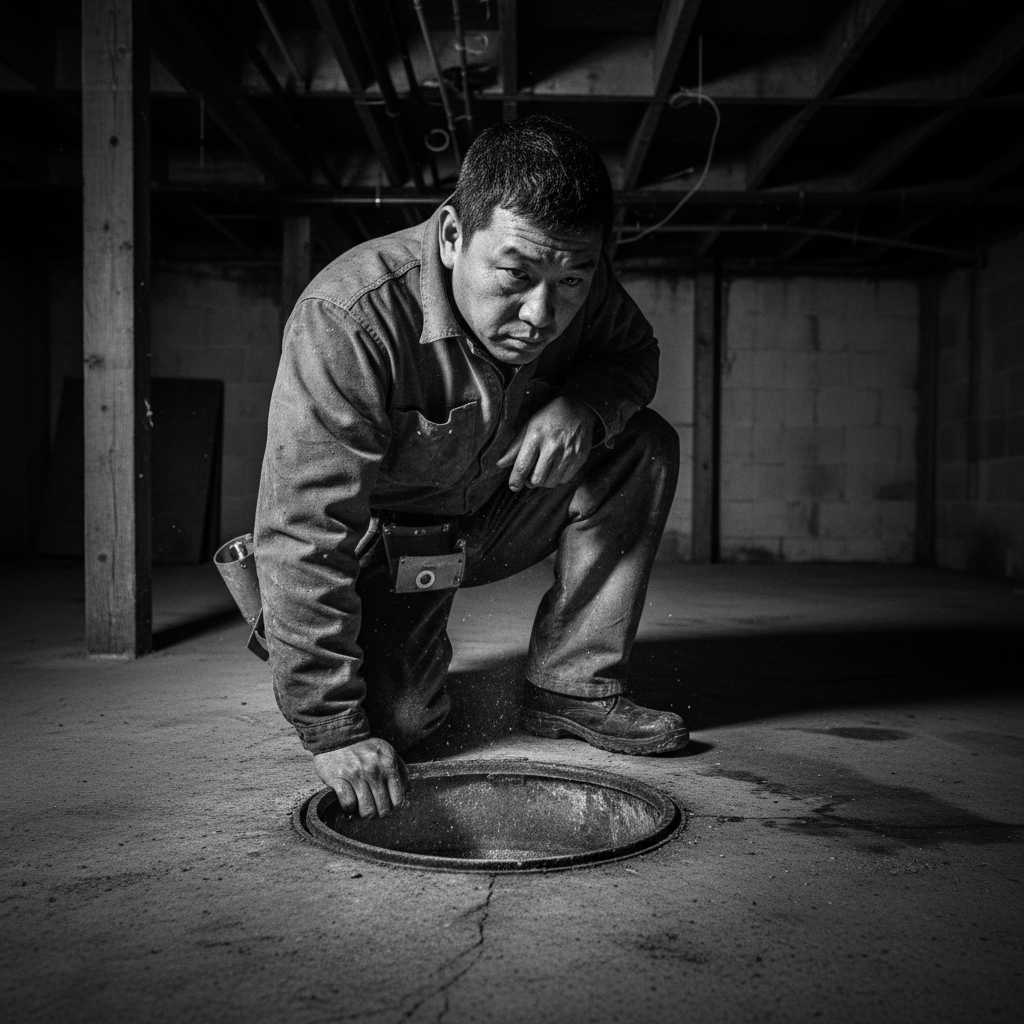
If you have ever woken up to a flooded basement, you already know.
That sick feeling when you step off the last stair and your foot hits cold water.
The panic of not knowing where it is coming from or how to stop it.
And then the math β the ruined belongings, the damage to drywall and flooring, the mold you will be fighting for months.
A clogged sewer line is one of the most disruptive plumbing problems a homeowner can face. And unlike a leaky faucet, it does not give you the luxury of waiting until next week.
Here is what you need to know β including how to get a 24-hour plumber to your door fast.
What Is a Sewer Line and Why Does It Clog?
Your sewer line is the main pipe that carries all wastewater from your home out to the municipal sewer system or your septic tank. Every sink, toilet, shower, and drain in your house flows into this single pipe.
When it clogs, none of those fixtures work. And the backup has nowhere to go but up β into your drains, your toilets, and eventually your floors.
The most common causes of sewer line clogs:
- Tree roots. The most common cause in homes over 20 years old. Roots naturally seek water and will infiltrate even the smallest crack in a pipe joint, then grow until they block the entire line.
- Grease and fat buildup. Poured down kitchen drains over years, it coats the pipe walls and narrows the line until solids can no longer pass.
- Non-flushable items. Wipes (even “flushable” ones), paper towels, feminine products, and cotton items accumulate in the line and create blockages.
- Collapsed or broken pipe. In older homes with clay or cast iron pipes, sections can crack, sag, or collapse β causing a physical blockage and sewage backup.
- Bellied pipe. When a section of pipe sinks due to soil shifting, it creates a low spot where solids collect and eventually block flow.
Warning Signs of a Sewer Line Problem
Catch it early and you are looking at a $300 drain cleaning. Miss it and you are looking at a five-figure repair. Here is what to watch for:
- Multiple drains backing up or draining slowly at the same time
- Gurgling sounds from your toilet or drains when you run water elsewhere
- Water coming up in the bathtub or shower when you flush the toilet
- Sewage smell inside the house β especially near floor drains
- Wet or unusually lush patches in your yard (the sewer line runs underground)
- Basement floor drain backing up
If you are seeing two or more of these at once, stop using water immediately and call a plumber. Running more water into a backed-up sewer line makes the backup worse.
What Happens When a Plumber Clears Your Sewer Line
When you call 866-486-7454, here is what the process looks like:
Step 1 β Diagnosis. A licensed plumber will locate your cleanout (an access point to the sewer line, usually near the foundation or in the yard) and assess the blockage. Many plumbers use a sewer camera to see exactly what they are dealing with β roots, grease, collapse, or foreign object.
Step 2 β Clearing the line. Depending on the cause, the plumber will use a power auger (a heavy-duty drain snake) to break through the blockage, or hydro jetting to blast the line clean with high-pressure water. Roots are cut with a specialized root-cutting attachment.
Step 3 β Camera inspection (optional but recommended). After clearing, a camera pass confirms the line is fully open and checks for any structural damage that could cause a repeat problem.
Step 4 β Repair recommendation if needed. If the line has root infiltration, cracks, or a bellied section, the plumber will walk you through repair options β from spot repairs to full replacement β and give you an honest assessment of urgency.
Sewer Line Repair vs. Replacement: What It Costs
- Sewer line cleaning (hydro jet or auger): $200 β $900
- Spot repair (small section replaced): $500 β $2,500
- Trenchless pipe lining (no dig): $3,000 β $8,000
- Full sewer line replacement: $5,000 β $25,000 depending on length, depth, and access
The gap between a cleaning and a full replacement is enormous. That is why responding fast to early warning signs is so important.
24 Hour Sewer Cleaning and Repair Near You
Sewer backups happen at night. On weekends. On holidays. And they cannot wait.
Call 866-486-7454 right now β day or night, a live person picks up and connects you with a licensed plumber in your area. No voicemail. No answering service that takes a message and calls you back in the morning.
We serve homeowners nationwide β including Washington DC, Seattle, San Diego, Bowie, Charlotte, Chicago, Houston, Dallas, and New York City.
Frequently Asked Questions
Can I use my toilets and sinks if I suspect a sewer line clog?
No. Stop using all water until the line is cleared. Running water into a backed-up line will cause sewage to overflow into your home.
Does homeowners insurance cover sewer line backups?
Standard homeowners policies usually do not cover sewer line backups β but many offer it as an add-on rider. Check your policy. If you do not have it, call your agent today. It is typically inexpensive and worth every dollar.
How long does sewer line cleaning take?
A standard cleaning with a power auger takes 1 to 2 hours. Hydro jetting may take 2 to 3 hours. If a camera inspection or repair is needed, add time accordingly.
How often should I have my sewer line cleaned?
For most homes: every 18 to 24 months as preventive maintenance. If you have mature trees in the yard or a history of clogs, annually. If your home is over 40 years old with original clay or cast iron pipes, consider an annual camera inspection.
Need emergency service in your area? Near Me Plumbing Pros connects you with licensed plumbers available 24/7 β wherever you are.
